
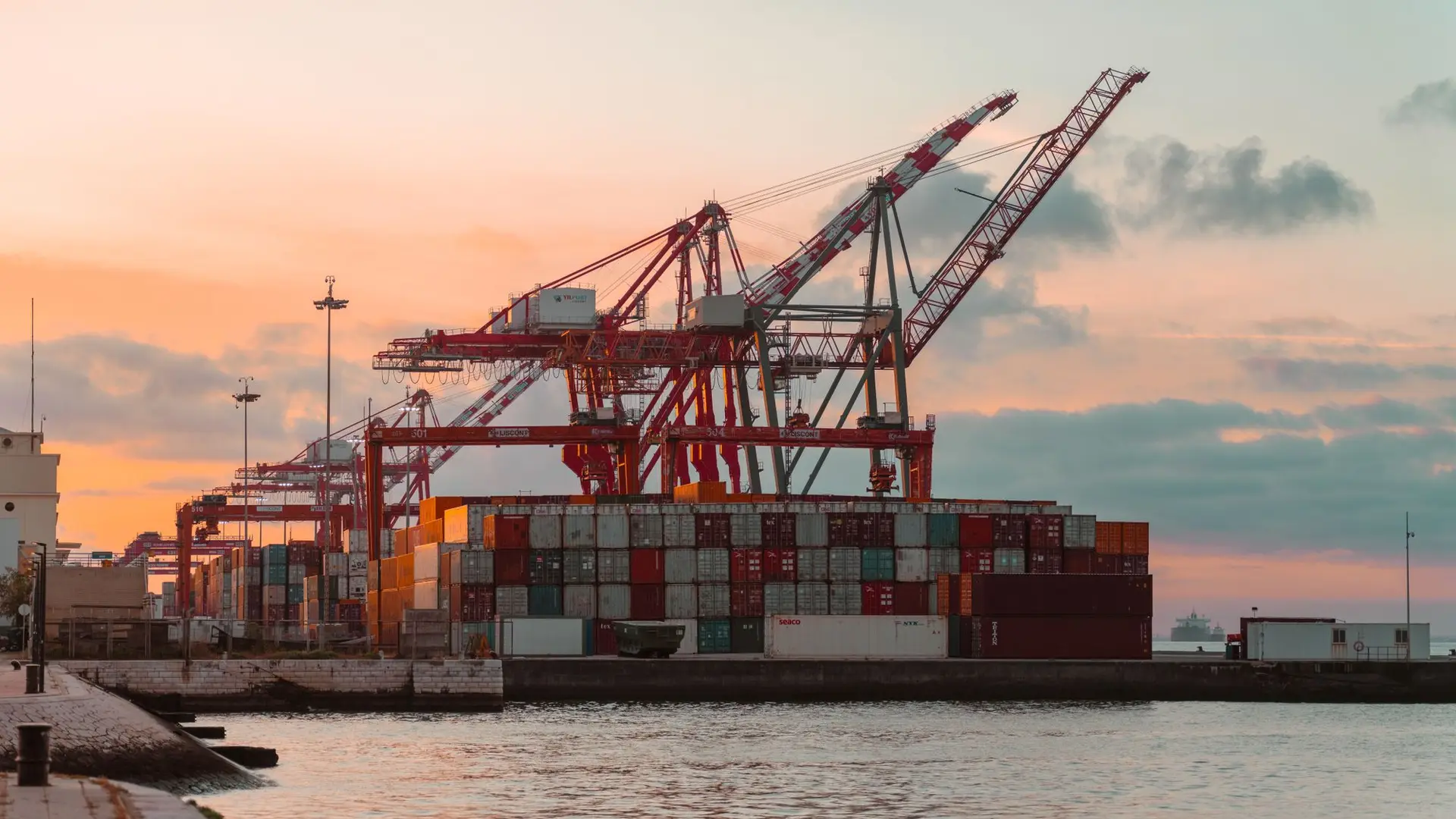
Asia
Shipping from Singapore to the UK
A key transshipment and distribution hub for Southeast Asia, with frequent direct sailings and strong onward air connections.
Container shipping from the UK to Singapore runs full container load to Singapore (SGSIN). There is no scheduled less than container load service to Singapore at present. Sea transit is 26–32 days port to port and air freight 1–3 days. We collect from any UK address and handle UK export clearance; customs charges in Singapore are not included.
Where we ship
Ports in Singapore
Full container load and groupage both go to Singapore. Select a port for its location, code and indicative transit.
- UK door
- UK port
- Singapore
Packed and sealed at your premises, then straight to the port — usually Felixstowe.
Less than container load
There is no scheduled groupage service to Singapore at present. Smaller consignments are quoted case by case — tell us the volume and we will say which option is genuinely cheaper.
Get a price for Singapore
The three modes are quoted separately — they are priced on different things entirely: a container, a cubic metre and a kilo.
Indicative pricing
Starting points for sea freight from the UK, not port-specific figures — the rate for your shipment depends on the arrival port, the sailing and the commodity. Customs charges, duty and taxes in Singapore are payable there and are not included.
| Service | From | Unit |
|---|---|---|
| FCL — 20ft General Purpose | £1,700.00 | per 20ft container |
| FCL — 40ft General Purpose | £2,750.00 | per 40ft container |
| LCL groupage | £90.00 | per cubic metre |
| Air freight | Please check with our team | per 100kg chargeable weight |
These are starting prices for the freight, not shipment totals. A groupage rate is what one cubic metre of cargo costs, so a 10 cubic metre consignment costs roughly ten times the figure shown. Figures are indicative, in GBP, and cover the sea freight from the UK only — customs charges, duty and taxes in the destination country are payable there and are not included. Your firm quote depends on the exact route, the cargo and the sailing.
What can you ship to Singapore?
Electronics and precision instruments, machinery and spare parts, pharmaceuticals and medical devices, aerospace components and general retail stock move through Singapore, which also functions as the transshipment hub for much of Southeast Asia.
Cargo needs to be palletised, shrink-wrapped and labelled with the consignee, because groupage is handled several times between your loading bay and the delivery address. Anything containing lithium batteries, aerosols, paints, solvents or compressed gas needs declaring at booking — it usually still travels, it just changes the packing and the paperwork rather than simply the price.
What tax and duty applies on import into Singapore?
Singapore charges GST at a standard rate of 9%, charged on the CIF value plus any duty. Customs duty is separate and runs at 0% on almost everything, set by the commodity code of the specific goods.
Singapore is a free port and levies customs duty on just four categories: alcohol, tobacco, motor vehicles and petroleum products. Everything else enters duty-free, so GST at 9% is usually the entire tax bill. That does not mean no paperwork — every consignment needs a TradeNet permit before it arrives, duty-free or not, and the permit is what customs actually checks.
What are the import restrictions in Singapore?
Four things are worth checking before you book rather than after the vessel sails.
What documents do I need to import into Singapore?
These cover the far end of the journey and belong to your consignee. We prepare and file the transport and commercial paperwork, but their own registrations are issued to them by their own authorities and cannot be obtained on their behalf.
What documents do you need in the UK to export?
A second, separate set of paperwork — and this one is yours rather than your consignee's. It is the part first-time exporters are most often caught by, because the destination requirements get all the attention and the British side looks like a formality until it stops a booking.
Duty depends on the commodity code of the specific goods, and rates change. This is general guidance, not tax or legal advice. Customs charges, duty and taxes in the destination country are payable there and are not included in our freight quote. Rates last reviewed .
Singapore to the UK shipping: FAQs
How long does shipping from the UK to Singapore take?
Sea freight runs about 26–32 days port to port, and air freight 1–3 days airport to airport. Singapore is the quickest sea gateway on this lane at around 26 days. These are indicative figures measured port to port; the transit for your exact collection address and delivery address, including the inland legs at both ends, is confirmed at quote stage.
Which ports do you ship to in Singapore?
We move cargo through one port in Singapore: Singapore (SGSIN). Full container load goes to Singapore. We have no scheduled groupage service to Singapore at present, so part loads are quoted case by case. Each port page lists its location, code and indicative transit.
Do you handle customs clearance for Singapore?
We handle the UK side: we file your export declaration with HMRC against your GB EORI number and raise the transport and commercial documents that travel with the shipment. Customs charges in Singapore — duty, import tax and any local clearance fees — are payable there by the consignee and are not included in our rates, unless you have agreed a DDP Incoterm that puts them on you. Budget for them separately; they are the most common reason a landed cost comes in above the freight quote.
What should I know before shipping on the Singapore lane?
If Singapore is a staging point rather than the final destination, ask for the through routing to the ultimate port at quote stage — the onward leg and its transit time are easy to overlook when comparing rates. Cargo commonly moving on this lane includes machinery and precision equipment, pharmaceuticals and medical devices, chemicals and specialty materials.
Compare lanes
Other countries we ship to and from
Rates and transit times for countries near Singapore — each one works as an origin or a destination.


China
Import & export · Shanghai
LCL from
£95.00
per cubic metre
32+ days
View lane

India
Import & export · Nhava Sheva (JNPT)
LCL from
£72.00
per cubic metre
22+ days
View lane

South Korea
Import & export · Busan
LCL from
£98.00
per cubic metre
30+ days
View lanePlan the rest of the move
Shipping from Singapore? Get a quote.
Any country to any country, import or export — send us the origin, destination and cargo details and we'll come back with a competitive rate within one business day.